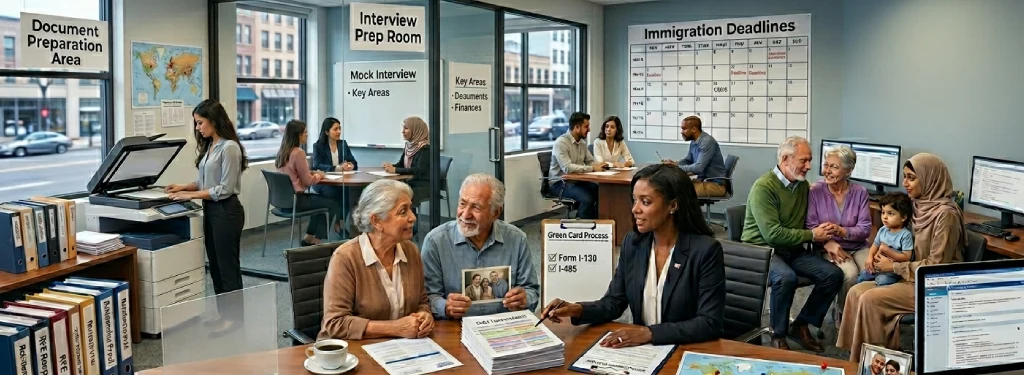
Trump Revoking Green Cards
The topic of Trump revoking green cards has gained significant attention and fear among millions of immigrants in the United States. With ongoing discussions around denaturalization, immigration enforcement, and stricter reviews of citizenship records, many lawful permanent residents and naturalized citizens are concerned about possible policy changes that may threaten their status.
In this blog, we break down the situation, explain what denaturalization means, and explore what actions immigrants can take to protect themselves if policies related to Trump revoking green cards move forward.

Why Is There Concern About Trump Revoking Green Cards?
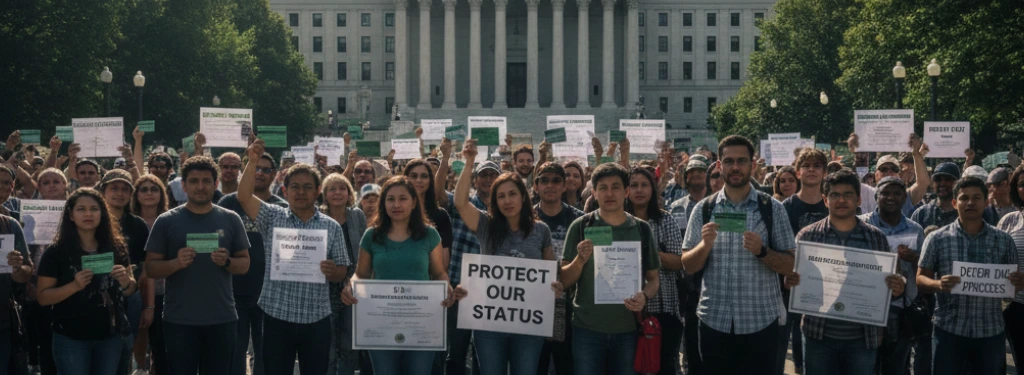
Recent statements and policy discussions have raised questions about Trump revoking green cards and even revoking U.S. citizenship for naturalized Americans. The conversation intensified following public comments about re-evaluating naturalization and enforcement processes. These statements have created anxiety among millions of Green Card holders and naturalized immigrants who fear losing their permanent status.
While the threat primarily targets individuals involved in criminal activities or cases involving fraud, the discussion around Trump revoking green cards has caused widespread uncertainty.
Understanding Denaturalization and Its Connection to Trump Revoking Green Cards
 Denaturalization is the legal process of revoking U.S. citizenship from someone who obtained it unlawfully or through fraud. The process has historically been rare and typically used for individuals who posed security threats or concealed serious crimes.
However, with the new political discussions surrounding Trump revoking green cards and citizenship review, many are worried about expanded grounds of enforcement. A court order is required for denaturalization, ensuring due process protections, but the fear remains significant.
Key points about denaturalization:
- It requires a legal court process
- It applies when citizenship was obtained illegally or through false information
- It has historically been used in serious security cases
These concerns have led people to seek legal clarity and protection related to Trump revoking green cards.
Green Cards, Citizenship & Trump Revoking Green Cards Discussions
A Green Card allows lawful permanent residents to live and work permanently in the U.S., but it does not mean full citizenship. Many Green Card holders eventually apply for naturalization after meeting eligibility requirements such as:
- Continuous residence in the U.S.
- Good moral character
- English proficiency
- Passing the civics exam
Because the topic of Trump revoking green cards involves reviewing immigration processes, individuals in transition toward citizenship should stay informed and legally prepared.
Who Could Be Affected by Trump Revoking Green Cards?
Although still under review and discussion, those most at risk in policies based on Trump revoking green cards may include:
- Individuals with criminal convictions
- Those suspected of misrepresentation in immigration applications
- Naturalized citizens flagged for incomplete or fraudulent information
- Those caught in immigration enforcement actions
Even law-abiding residents feel stress and uncertainty as the issue of Trump revoking green cards continues to circulate.
Alo Legal | Expert Support During Trump Revoking Green Cards Review
Immigration law is complex, and policy changes can happen quickly. Alo Legal provides professional immigration guidance to help individuals understand their rights and prepare documentation that may protect them if enforcement expands under discussions around Trump revoking green cards.
Alo Legal can help with:
- Case eligibility and risk assessment
- Legal representation in review or removal proceedings
- Documentation support and naturalization preparation
If you are concerned about Trump revoking green cards, seeking legal support early is crucial for safeguarding your status.
Conclusion
The debate about Trump revoking green cards has created worry among millions of immigrants. While legal procedures like denaturalization require proof and court involvement, staying proactive, informed, and legally protected is essential. Understanding your rights and preparing documentation can prevent complications if policies become stricter.