Renee Nicole Good: Woman Killed by ICE in Minneapolis Shooting
The fatal shooting of Renee Nicole Good by a federal Immigration and Customs Enforcement (ICE) agent in Minneapolis has ignited national debate, protests, and renewed scrutiny of immigration enforcement tactics in the United States. Her death has become a flashpoint in conversations about civil liberties, use of force, and accountability, while also highlighting the deeply personal loss of a mother, writer, and community member.

Who Was Renee Nicole Good?
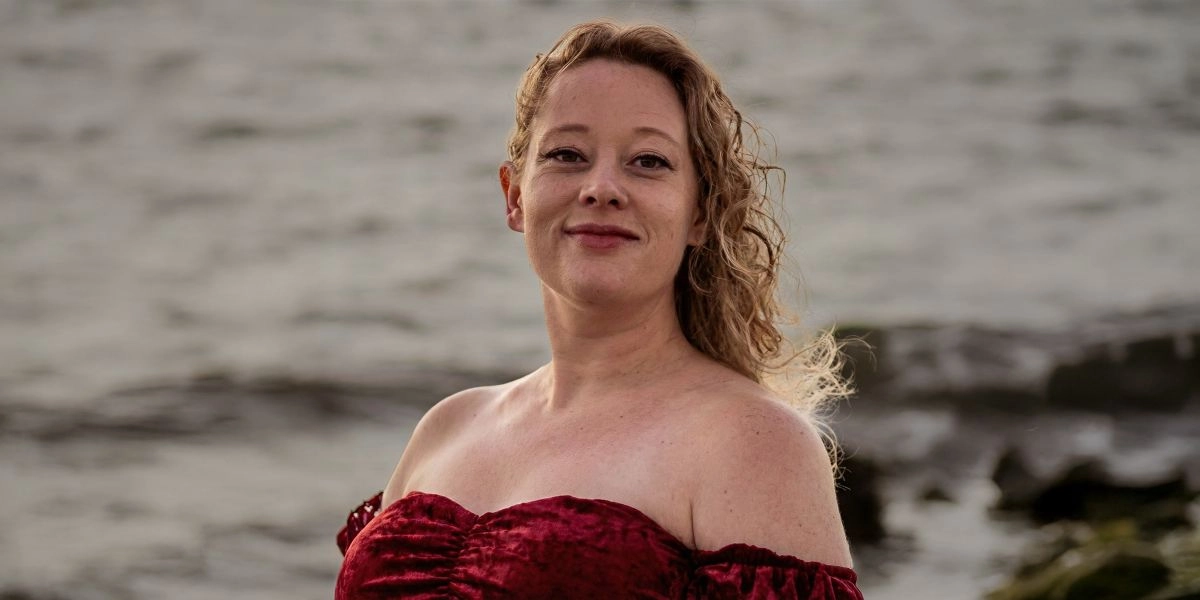
Renee Nicole Good was a 37-year-old mother of three who had recently relocated to Minneapolis. A U.S. citizen originally from Colorado Springs, she had previously lived in Kansas City before moving to Minnesota in search of a fresh start. Those who knew her described her as compassionate, creative, and deeply devoted to her family.
Beyond her role as a mother, Renee Nicole Good was an award-winning poet with a passion for writing and storytelling. She studied creative writing at Old Dominion University in Virginia and earned a degree in English. In 2020, she received an undergraduate poetry award from the Academy of American Poets, a recognition that underscored her talent and dedication to the literary arts.
Friends and family say she also enjoyed music, often playing guitar as a hobby, and cherished simple moments with her children, reading, watching movies, and making art together.
The Minneapolis ICE Shooting Incident
The shooting occurred during an ICE operation in south Minneapolis, not far from the neighborhood where Renee Nicole Good lived. According to city officials and local leaders, she was present at the scene as a legal observer, someone who voluntarily monitors law enforcement activity to ensure transparency and the protection of civil rights.
Her family maintains that Renee Nicole Good was not acting aggressively and was not attempting to interfere with the operation. Her mother, Donna Ganger, said her daughter was likely frightened during the confrontation and emphasized that she had always been gentle and empathetic in nature.
Federal officials, however, have offered a sharply different account.
Conflicting Narratives From Authorities
The U.S. Department of Homeland Security and Trump administration officials alleged that Renee Nicole Good interfered with ICE agents by blocking their movements with her vehicle and shouting at officers. Homeland Security Secretary Kristi Noem described her actions as “weaponizing” her car and claimed an agent fired shots after fearing for his life.
Former President Donald Trump echoed this narrative on social media, labeling Renee Nicole Good a “professional agitator” and accusing her of violently resisting federal officers.
These claims have been strongly disputed by Minneapolis Mayor Jacob Frey, who publicly condemned the agent’s actions after reviewing video footage of the incident. Frey stated that the shooting was reckless and unnecessary, asserting that it resulted in the unjust loss of life.
Public Reaction and Protests
The death of Renee Nicole Good sparked immediate protests in Minneapolis and across the country. Demonstrators gathered holding signs reading “Justice for Renee,” calling for an independent investigation into the ICE agent’s actions and broader reform of federal enforcement agencies.
A makeshift memorial near the site of the shooting quickly filled with candles, flowers, handwritten notes, and crosses. Many mourners expressed outrage not only over her death but also over how quickly narratives labeling her as dangerous spread before a full investigation was completed.
Civil rights groups have pointed out that Renee Nicole Good was killed just a short distance from where George Floyd was murdered in 2020, a fact that has intensified emotions and drawn historical parallels in Minneapolis.
Family, Faith, and Personal Life
Those closest to Renee Nicole Good emphasize that she was not a political extremist or professional activist. Her former husband described her as a devoted Christian who had participated in youth mission trips earlier in life. She had worked various jobs, including as a dental assistant and credit union employee, before focusing on raising her children.
She also endured personal loss. Her second husband, Tim Macklin, passed away in 2023, leaving her to care for their young son while continuing to support her two older children from her first marriage.
In the wake of her death, a fundraiser created to support her children far exceeded expectations, raising hundreds of thousands of dollars within hours, a testament to the public’s empathy and the impact of her story.
A Symbol in a Larger National Debate
The killing of Renee Nicole Good has become more than a single tragic incident. It now represents a broader national conversation about immigration enforcement, police accountability, and the treatment of civilians during federal operations.
University leaders, writers, activists, and public officials have spoken out, remembering Renee Nicole Good not as a threat, but as a poet, mother, and human being whose life ended far too soon. Old Dominion University’s president noted that her death reflects a troubling normalization of fear and violence in American society.
Remembering Renee Nicole Good
As investigations continue, many hope that the focus remains on truth, accountability, and justice. Supporters argue that Renee Nicole Good deserves to be remembered for who she was, not for the labels assigned to her after her death.
Her life, marked by creativity, compassion, and resilience, now stands as a powerful reminder of the human cost behind policy conflicts and enforcement actions. For many, seeking justice for Renee Nicole Good is about more than one case; it is about ensuring dignity, transparency, and humanity moving forward.