Key H-1B Visa Reforms Proposed: Navigating New Wage Rules and Policy Shifts
The landscape of corporate immigration is undergoing a seismic shift. With the recent introduction of H-1B visa reforms proposals, both employers and foreign professionals are facing a future defined by stricter compliance and significantly higher financial thresholds. The US Department of Labor (DOL) and various legislative bodies are moving away from the traditional lottery system, pivoting instead toward a merit-based and wage-heavy selection process.
For years, the H-1B program served as a bridge for talent, but the H-1B visa reforms initiatives aim to return the program to its original intent: filling specialized skill gaps without displacing the domestic workforce. Whether you are a tech firm in Silicon Valley or a specialized boutique agency, understanding these changes is no longer optional, it is a business necessity.
The Push for a Merit-Based H-1B System
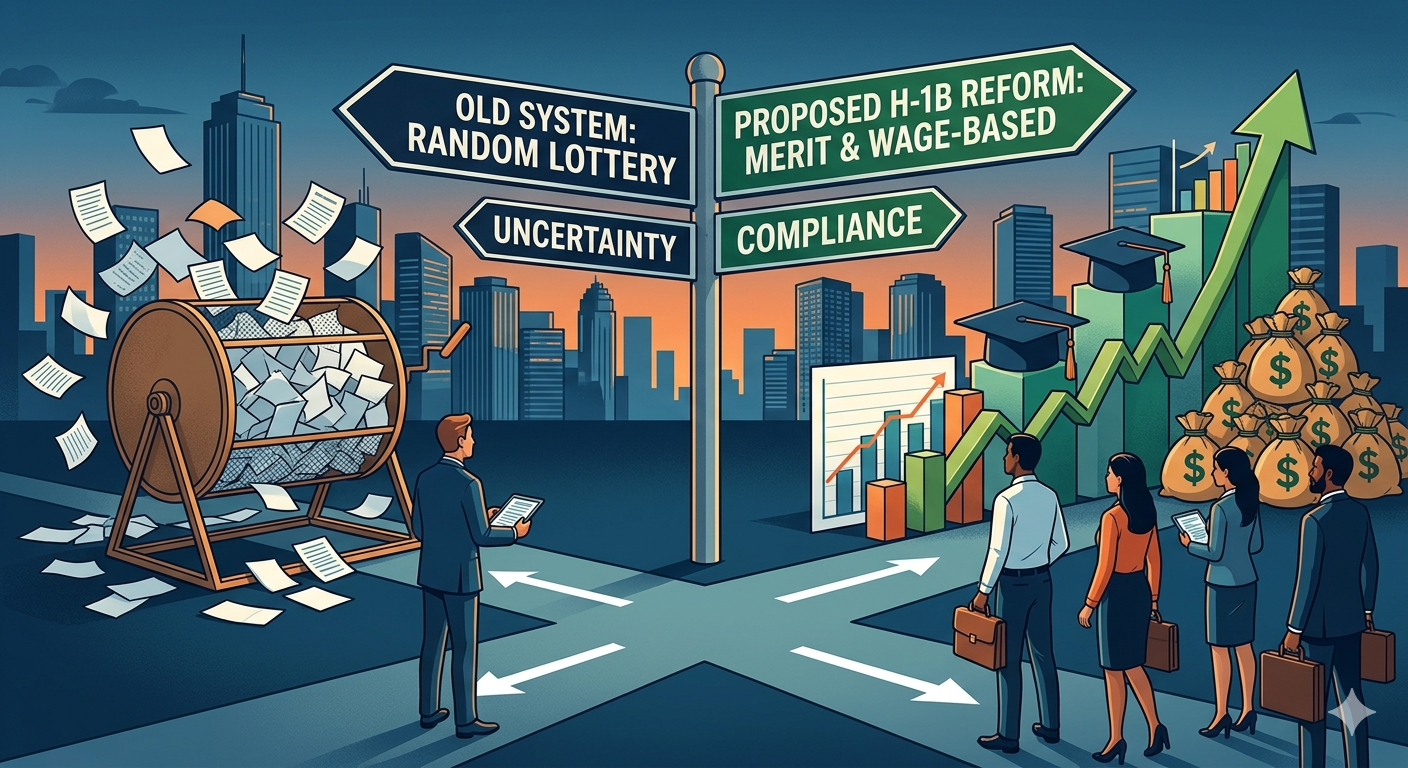
One of the most significant components of the H-1B visa reforms is the move toward a merit-based process. Spearheaded by bipartisan efforts, such as the Grassley Reform Bill, the goal is to prioritize candidates with advanced degrees from US universities.
Under this new framework, the random lottery, often criticized as a “game of chance”, would be replaced. Instead, preference is given to those in top-level positions that command the highest wages. This ensures that the H-1B visa remains a tool for securing “high-skill” talent rather than “low-cost” labor.
Drastic Changes to Wage Percentiles
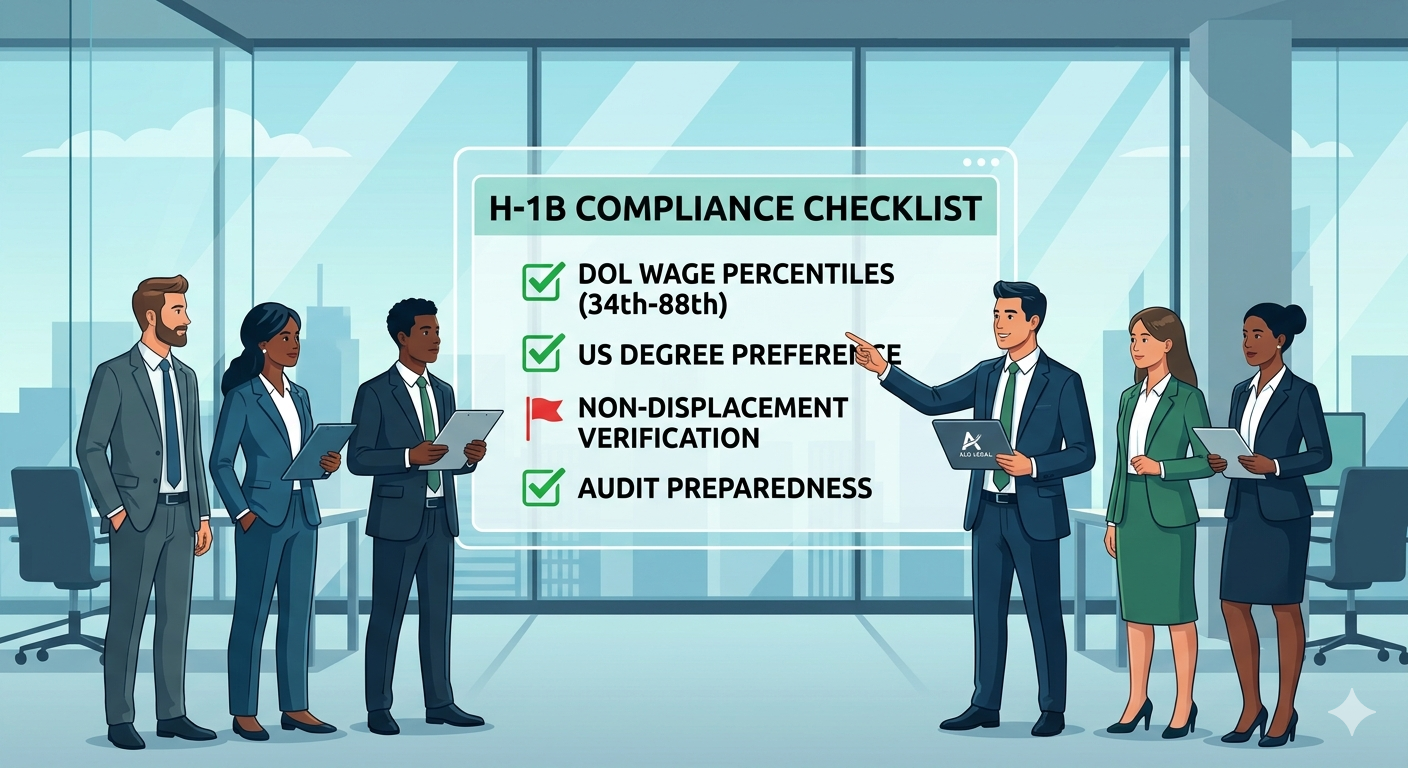
Perhaps the most impactful administrative change in the H-1B visa reforms is the DOL’s proposed rule regarding prevailing wages. The DOL has suggested a massive hike in the minimum salary requirements across all four skill levels:
- Level I moves from the 17th to the 34th percentile
- Level II from the 34th to the 52nd
- Level III from the 50th to the 70th
- Level IV from the 67th to the 88th
This shift means that companies will likely see a significant increase in the minimum salary they must offer to maintain H-1B compliance. This part of the H-1B visa reforms is designed to eliminate any financial incentive for hiring foreign workers over American citizens.
Ending the “Green Card Loophole” and Dual Intent
Advocacy groups and new legislative drafts included in the H-1B visa reforms are also targeting the “dual intent” nature of the visa. Currently, H-1B holders can work temporarily while simultaneously pursuing permanent residency (a Green Card).
New proposals argue that if a visa is categorized as “temporary,” it should remain strictly so. By removing the pathway to permanent stay for certain categories, the H-1B visa reforms seeks to ensure the program does not become a permanent immigration side-door. Furthermore, stricter “non-displacement” rules would prevent companies from hiring H-1B workers if they have laid off American employees within 180 days of the filing.
The Threat of Program Termination: EXILE and H.R. 6937
While many seek to reform the system, some lawmakers are pushing to end it entirely. The EXILE bill and H.R. 6937 represent the most extreme versions of the H-1B visa reforms movement. These bills argue that the system is beyond repair and should be abolished to protect American jobs. While these face significant hurdles in becoming law, their presence in the legislative conversation highlights the volatile environment current visa holders are living in.
How H-1B Visa Reforms Affects Your Business
For tech and engineering firms, the H-1B visa reforms updates mean higher hiring costs and increased legal scrutiny. The era of filing for lower-paying entry-level roles is effectively ending. Firms must now prove they have made an exhaustive effort to hire local talent and be prepared for random audits to verify that the foreign workers are being paid at the new, elevated percentiles.
Navigating the Crisis: How Alo Legal Can Help
In a time of such legislative uncertainty, having a legal partner who understands the nuances of the H-1B visa reforms is vital. Alo Legal specializes in navigating the complexities of US immigration law with a focus on precision and compliance.
Alo Legal helps escalate and resolve these situations by:
- Wage Audit & Compliance: We analyze your current payroll against the new DOL percentiles to ensure you aren’t at risk of penalties or bans.
- Strategic Filing: With the shift toward merit-based selection, we help frame your petitions to highlight advanced degrees and specialized expertise that meet the new criteria.
- Crisis Management: If your business is impacted by the new non-displacement rules or faces an audit due to recent layoffs, Alo Legal provides the robust defense needed to protect your operations.
- Long-term Planning: We help H-1B holders explore alternative visa categories (such as O-1 or EB-1) if the “dual intent” pathways are restricted by the latest H-1B visa reforms updates.
The complexity of these reforms makes it easy for applications to be rejected on technicalities. Alo Legal ensures that every document is professional and strategically sound, preventing the displacement of your key talent.