EAD Validity Period: What You Need to Know in 2025
The EAD validity period plays a crucial role for immigrants in the United States who depend on employment authorization to legally work while waiting for their immigration status to be finalized. Recently, U.S. Citizenship and Immigration Services (USCIS) announced significant changes that will affect thousands of applicants. In this blog, we explain what the EAD validity period change means, who is affected, and how Alo Legal can help you navigate it smoothly.
What is the EAD Validity Period?
The EAD validity period refers to how long an Employment Authorization Document (EAD) remains valid and allows a foreign national to legally work in the United States. Previously, many applicants enjoyed a longer EAD validity period of up to five years. However, new USCIS regulations have reduced this timeframe.

USCIS Reduces EAD Validity Period to 18 Months
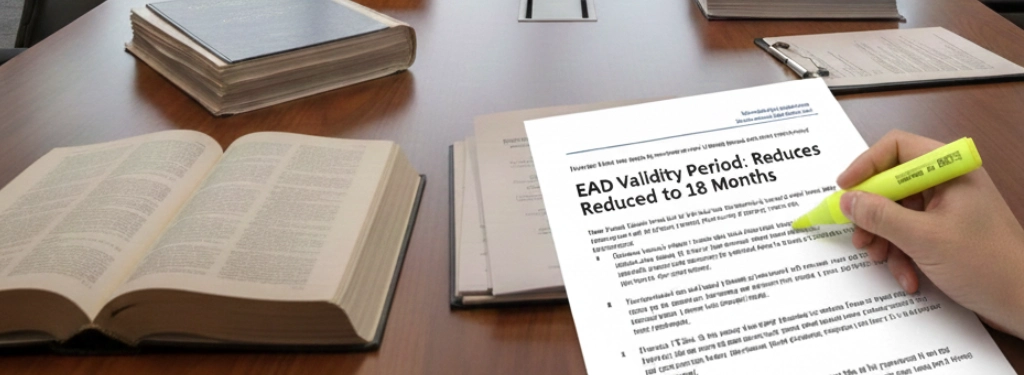
USCIS has updated its policy and reduced the maximum EAD validity period from five years to 18 months for several categories of applicants. This change applies to both initial and renewal EAD applications. The updated policy affects Form I-765 applications pending on or filed on or after December 5, 2025.
According to USCIS, this reduction in the EAD validity period will allow the agency to conduct more frequent vetting and manage identity verification more efficiently.
Who is Impacted by the Shortened EAD Validity Period?
 The reduction in the EAD validity period affects:
- Applicants with pending adjustment of status applications (employment-based and family-based)
- Refugees or individuals granted asylum
- Individuals granted withholding of deportation or removal
- Applicants with pending asylum, cancellation of removal, suspension of deportation, or NACARA relief requests
These applicants will now need to renew work permits more frequently due to the shortened EAD validity period.
What the Shorter EAD Validity Period Means for Employers & Workers?
The shorter EAD validity period increases the likelihood of renewal delays and may result in gaps in work authorization. Because renewal processing times may exceed six months, applicants are strongly advised to plan early.
Key impacts:
- More frequent renewal filings
- Higher risk of employment interruption
- Increased USCIS workload and processing delays
Applicants can file for EAD renewal up to six months before expiration, which is critical for maintaining continuous employment during the new EAD validity period.
How Alo Legal Can Help You With EAD Validity Period Challenges?
 Alo Legal provides expert immigration support to help applicants prepare for the impact of the new EAD validity period rules. Whether you are filing your first EAD or renewing, Alo Legal ensures timely preparation, submission, and tracking to avoid employment gaps.
Alo Legal assists with:
- Strategic EAD renewal planning
- Adjustment of status guidance
- Emergency work authorization issues
- Legal support for employers and HR compliance
With the reduction in the EAD validity period, professional guidance is more important than ever.
FAQ About EAD Validity Period
Q1: Will existing EADs remain valid?
Yes. Current cards will remain valid until their printed expiration date under the previous EAD validity period rules.
Q2: Does the new EAD validity period apply to renewal and initial filings?
Yes, both initial and renewal applications are affected.
Q3: Why did USCIS change the EAD validity period?
USCIS wants more frequent security checks and improved verification.